Cash grants to 1,320 women: the largest single cohort to date
A United Nations Development Programme award placed unconditional cash directly in the hands of 1,320 women in Adamawa State — and built the verification discipline that later projects depended on.
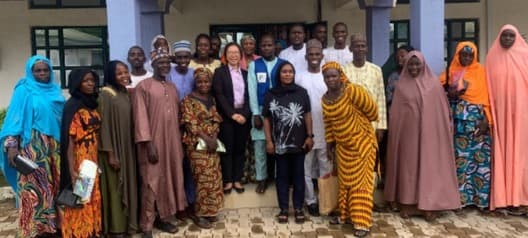
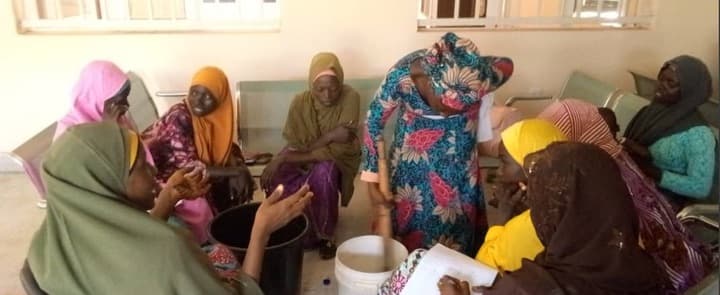
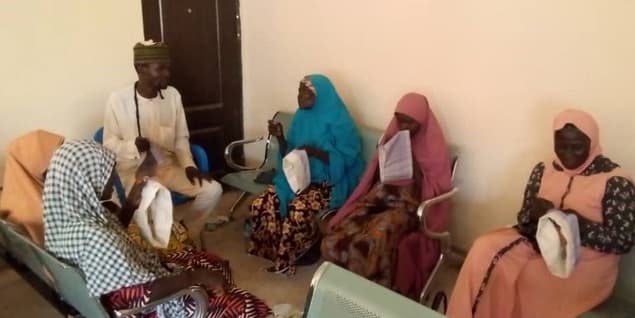
In 2021 the organization distributed cash grants to 1,320 women in Adamawa State under a United Nations Development Programme award. It remains the largest single beneficiary cohort in the organization's documented record.
Described in outline, a cash transfer programme has two steps: identify and verify the eligible women, then distribute the grants to the verified list. Described honestly, the first step is most of the work. Eligibility has to be established, names have to be checked, duplicates have to be found, and the register has to survive scrutiny afterwards — at a scale of more than thirteen hundred people, none of that is administrative background noise. It is the programme.
That discipline is the part of this project the organization carried forward. Delivering a cash transfer at this scale built internal capacity in registration and reconciliation, and later projects drew on it. A track record on United Nations-funded cash programming is not only a matter of having distributed the money; it is a matter of being able to show, afterwards, exactly who received it.
The cohort was entirely female. Economic empowerment for women is the stated focus of the project rather than a demographic footnote to it: the grant was designed around the woman as an economic actor in her own household, and the register was built on that basis.
The award matters as a relationship as well as a result. It was delivered under a United Nations Development Programme award, and UNDP appears twice more in the organization's record three years later — commissioning a market assessment in Fufore Local Government Area, then funding early recovery work in Daware and Malkohi. The cash distribution is where that relationship starts.
The choice of cash over goods is a choice about authority. In-kind distribution decides in advance what a household needs. Unconditional cash does not: it gives a woman decision authority over her own priorities, whether those are stock for a trade, a school cost, a medical cost, or something the programme designers never anticipated. Different women in the same community, on the same day, will spend the same grant differently, and that is the point of the instrument.
The project is recorded against Sustainable Development Goals 1, 5, 8 and 10 — no poverty, gender equality, decent work and economic growth, and reduced inequalities.